Gobi and Steppe Stargazing vs Classic Gobi Desert Tour
The shapes a Mongolia trip comes in, compared on days, driving, season and price band. For specific products, use Find a tour.
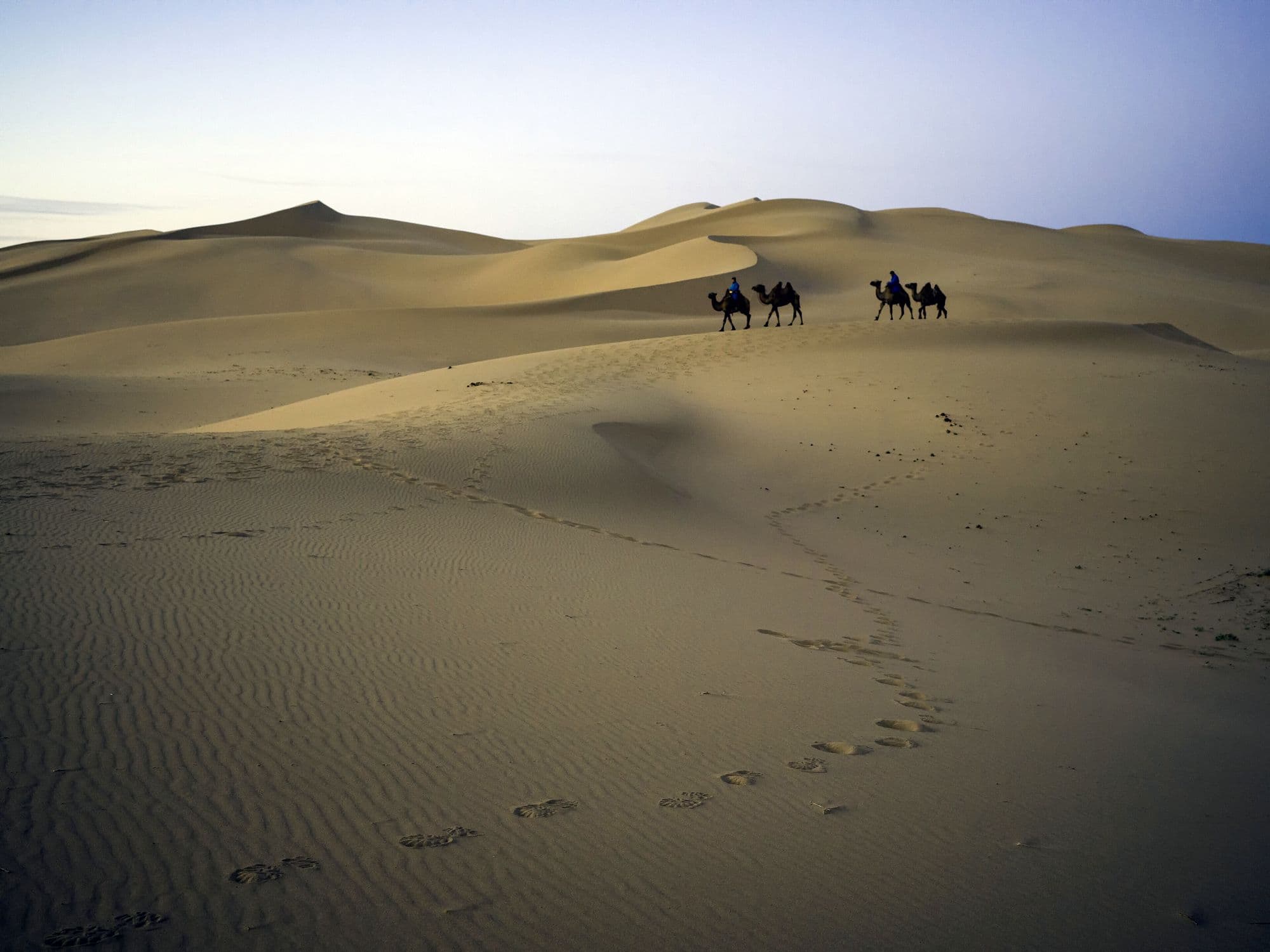
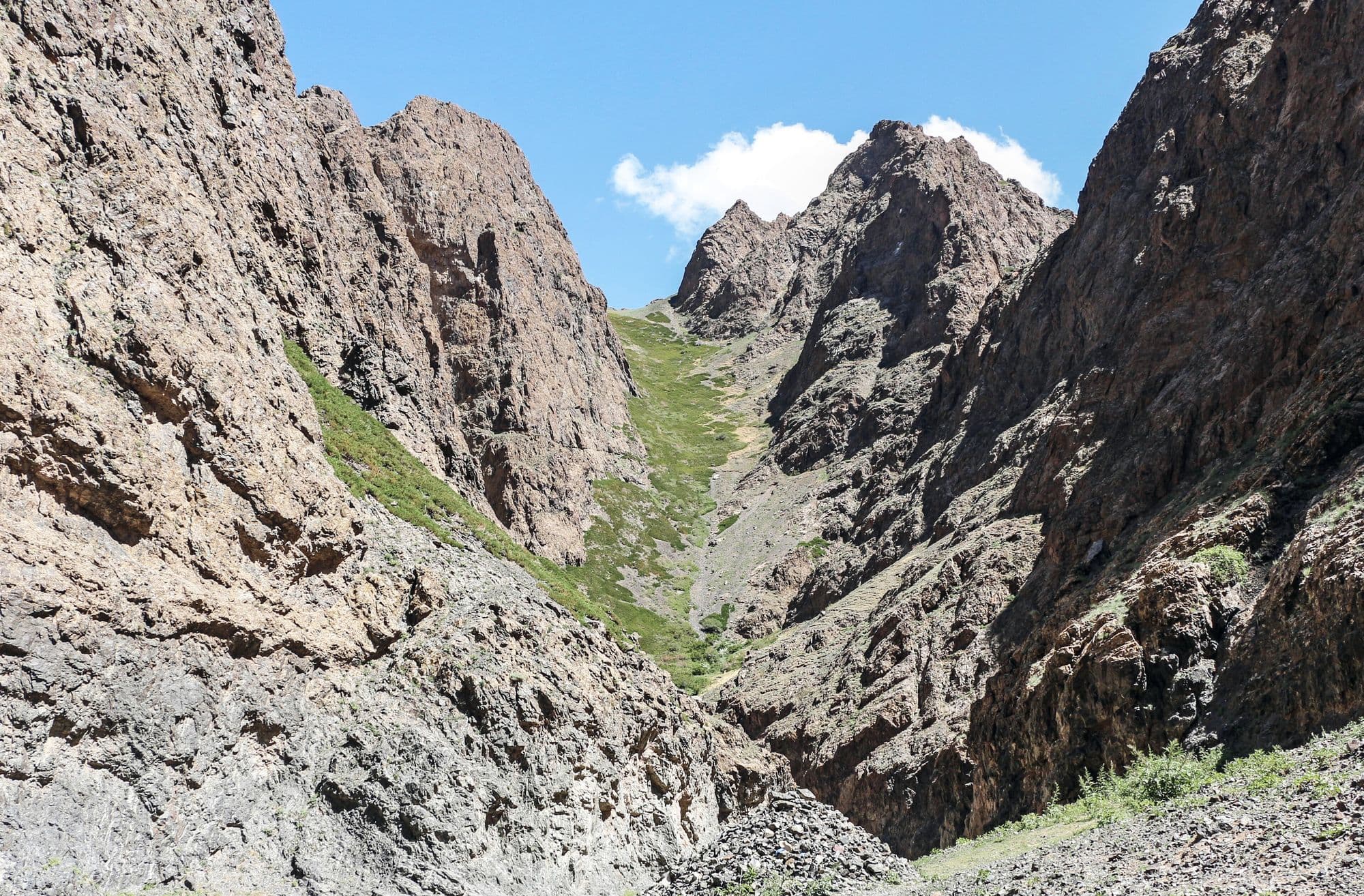
Typical length
3–9 days
4–7 days
Difficulty
easy
easy
Driving per day
as per the underlying Gobi or central itinerary, typically 2-5 hours
4-7 hours on transfer days; 8-9 hours on the Ulaanbaatar-Dalanzadgad leg if you go overland instead of flying
Total distance
depends on the base itinerary; a 3-day Terelj and mini-Gobi loop is a few hundred km, a 9-day South Gobi package well over 1,500 km
Fly-in version: roughly 520 km of driving plus about 1,120 km of return flight (Discover Mongolia publishes 60 km/2 h, 200 km/5 h, 160 km/4 h and 100 km/1 h road legs around a 560 km, 1.5 h flight each way). Fully overland loops run considerably longer, in the 1,600-2,000 km range.
Best months
Jun–Sep
- Jan: not a best month
- Feb: not a best month
- Mar: not a best month
- Apr: not a best month
- May: not a best month
- Jun: a best month
- Jul: a best month
- Aug: a best month
- Sep: a best month
- Oct: not a best month
- Nov: not a best month
- Dec: not a best month
May–Sep
- Jan: not a best month
- Feb: not a best month
- Mar: not a best month
- Apr: not a best month
- May: a best month
- Jun: a best month
- Jul: a best month
- Aug: a best month
- Sep: a best month
- Oct: not a best month
- Nov: not a best month
- Dec: not a best month
Per person, per day
170-200 USDPrices as published for 2026
165-200 USDPrices as published for 2026-2027
Stops
6
5
Good for
- astrophotographers
- couples
- families with curious children
- anyone already booking a Gobi trip who can shift camps and dinner times
- first-time visitors to Mongolia
- photographers
- families with older children
- travellers with only a week
Not for
- travellers who need early nights
- anyone expecting observatory-grade telescopes as standard
- visitors around a full moon
- winter visitors, when most camps are closed
- anyone who cannot tolerate long unpaved drives
- travellers who need en-suite bathrooms every night
- people looking for mountain scenery or forest
Vehicle
Standard van or 4WD for the underlying route. No specialist equipment is typical: at least one well-known Gobi lodge presents stargazing as an integrated part of the stay rather than a structured activity with telescopes, so assume naked-eye viewing unless the operator says otherwise.
Air-conditioned private van or 4WD, typically 4-5 passengers per vehicle. This matters because the Gobi legs are largely unpaved: a 200 km stage is a 5-hour stage. The domestic flight to Dalanzadgad is the single biggest itinerary lever — it removes two 8-9 hour driving days but caps checked baggage at about 15 kg plus 5 kg cabin.
Accommodation
Tourist ger camps, sometimes deliberately picked for remoteness rather than facilities; a handful of lodge-standard properties in the Gurvan Saikhan area market darkness as part of the offer. Note that camp generators and floodlights are the main light pollution you will actually meet, so where the camp sits matters more than how far the province is from a city.
Tourist ger camps almost throughout: 2-4 beds per ger, 220V electricity, and shower and toilet blocks shared between gers rather than en-suite. Some operators sell an en-suite ger upgrade — Selena Travel prices it at US$55 per night. One or two hotel nights in Ulaanbaatar at each end are common and are frequently excluded from the headline price.
Typical length
- Gobi and Steppe Stargazing
- 3–9 days
- Classic Gobi Desert Tour
- 4–7 days
Difficulty
- Gobi and Steppe Stargazing
- easy
- Classic Gobi Desert Tour
- easy
Driving per day
- Gobi and Steppe Stargazing
- as per the underlying Gobi or central itinerary, typically 2-5 hours
- Classic Gobi Desert Tour
- 4-7 hours on transfer days; 8-9 hours on the Ulaanbaatar-Dalanzadgad leg if you go overland instead of flying
Total distance
- Gobi and Steppe Stargazing
- depends on the base itinerary; a 3-day Terelj and mini-Gobi loop is a few hundred km, a 9-day South Gobi package well over 1,500 km
- Classic Gobi Desert Tour
- Fly-in version: roughly 520 km of driving plus about 1,120 km of return flight (Discover Mongolia publishes 60 km/2 h, 200 km/5 h, 160 km/4 h and 100 km/1 h road legs around a 560 km, 1.5 h flight each way). Fully overland loops run considerably longer, in the 1,600-2,000 km range.
Best months
- Gobi and Steppe Stargazing
- Jun–Sep
- Jan: not a best month
- Feb: not a best month
- Mar: not a best month
- Apr: not a best month
- May: not a best month
- Jun: a best month
- Jul: a best month
- Aug: a best month
- Sep: a best month
- Oct: not a best month
- Nov: not a best month
- Dec: not a best month
- Classic Gobi Desert Tour
- May–Sep
- Jan: not a best month
- Feb: not a best month
- Mar: not a best month
- Apr: not a best month
- May: a best month
- Jun: a best month
- Jul: a best month
- Aug: a best month
- Sep: a best month
- Oct: not a best month
- Nov: not a best month
- Dec: not a best month
Per person, per day
- Gobi and Steppe Stargazing
- 170-200 USDPrices as published for 2026
- Classic Gobi Desert Tour
- 165-200 USDPrices as published for 2026-2027
Stops
- Gobi and Steppe Stargazing
- 6
- Classic Gobi Desert Tour
- 5
Good for
- Gobi and Steppe Stargazing
- astrophotographers
- couples
- families with curious children
- anyone already booking a Gobi trip who can shift camps and dinner times
- Classic Gobi Desert Tour
- first-time visitors to Mongolia
- photographers
- families with older children
- travellers with only a week
Not for
- Gobi and Steppe Stargazing
- travellers who need early nights
- anyone expecting observatory-grade telescopes as standard
- visitors around a full moon
- winter visitors, when most camps are closed
- Classic Gobi Desert Tour
- anyone who cannot tolerate long unpaved drives
- travellers who need en-suite bathrooms every night
- people looking for mountain scenery or forest
Vehicle
- Gobi and Steppe Stargazing
- Standard van or 4WD for the underlying route. No specialist equipment is typical: at least one well-known Gobi lodge presents stargazing as an integrated part of the stay rather than a structured activity with telescopes, so assume naked-eye viewing unless the operator says otherwise.
- Classic Gobi Desert Tour
- Air-conditioned private van or 4WD, typically 4-5 passengers per vehicle. This matters because the Gobi legs are largely unpaved: a 200 km stage is a 5-hour stage. The domestic flight to Dalanzadgad is the single biggest itinerary lever — it removes two 8-9 hour driving days but caps checked baggage at about 15 kg plus 5 kg cabin.
Accommodation
- Gobi and Steppe Stargazing
- Tourist ger camps, sometimes deliberately picked for remoteness rather than facilities; a handful of lodge-standard properties in the Gurvan Saikhan area market darkness as part of the offer. Note that camp generators and floodlights are the main light pollution you will actually meet, so where the camp sits matters more than how far the province is from a city.
- Classic Gobi Desert Tour
- Tourist ger camps almost throughout: 2-4 beds per ger, 220V electricity, and shower and toilet blocks shared between gers rather than en-suite. Some operators sell an en-suite ger upgrade — Selena Travel prices it at US$55 per night. One or two hotel nights in Ulaanbaatar at each end are common and are frequently excluded from the headline price.
Popular comparisons