Dornogovi (Дорноговь)· Хамарын хийд (Хамрийн хийд)
Khamar Monastery (Khamaryn Khiid)
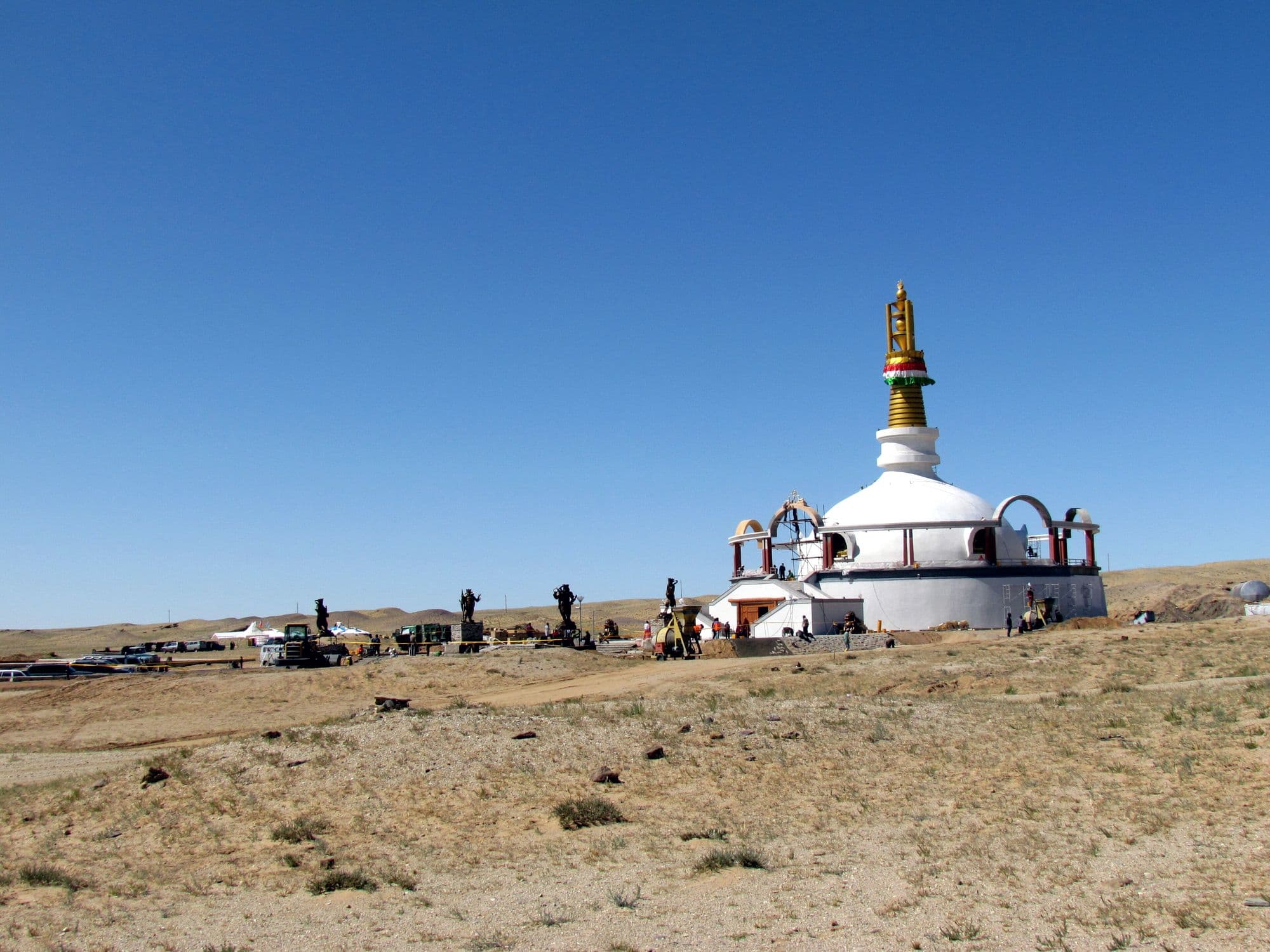
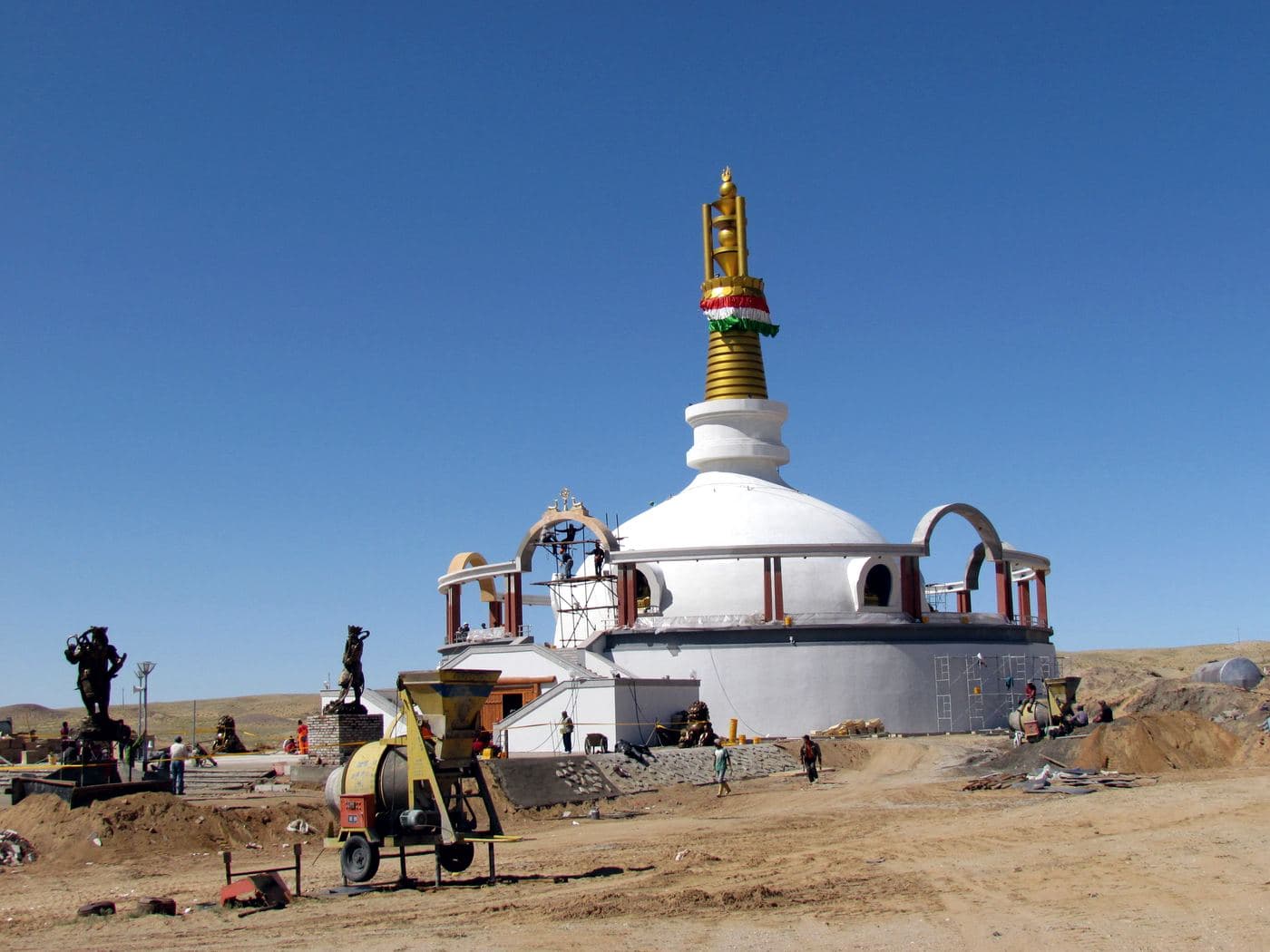
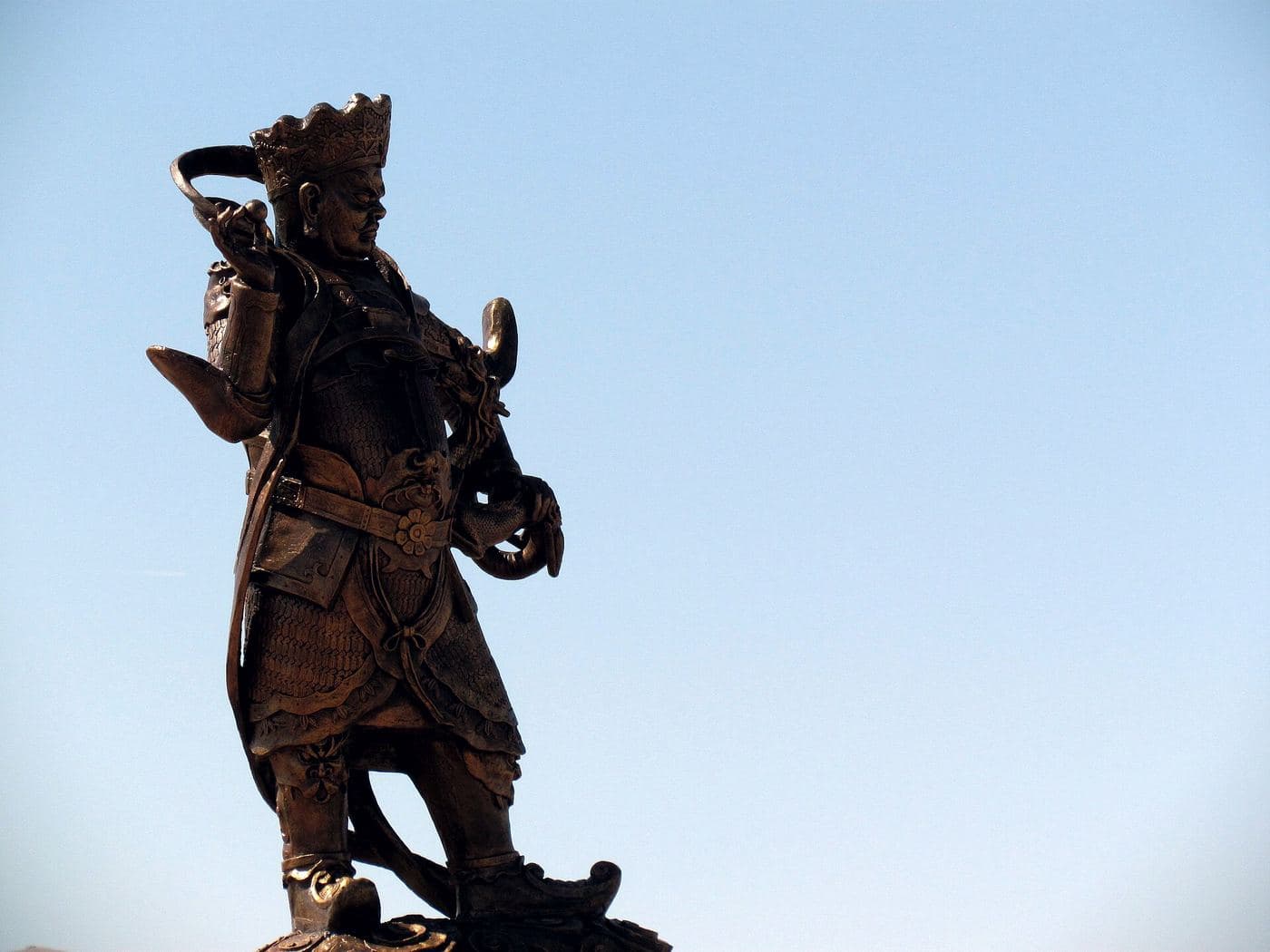
Khamar Monastery sits in the flat eastern Gobi south of Sainshand and is the seat of Dulduityn Danzanravjaa, the fifth Noyon Khutagt, a Nyingma lama who was also Mongolia's best known 19th-century poet and playwright. He founded it in 1820 at seventeen and built it into a complex of scores of temples with a theatre, a school and a library before the whole thing was destroyed in 1937. It was rebuilt after 1990 and is now an active pilgrimage site, with a separate Shambhala energy centre and its ring of 108 stupas on the plain a couple of kilometres north. It draws far more Mongolian pilgrims than foreign tourists, which is a large part of its interest.
- From Ulaanbaatar
- 492 km
- Drive time
- 7-9 hours
- Altitude
- 829 m
- Typical stay
- 1 night, usually based in Sainshand or at a camp near the monastery
- Best months
- May–Sep
- Jan: not a best month
- Feb: not a best month
- Mar: not a best month
- Apr: not a best month
- May: a best month
- Jun: a best month
- Jul: a best month
- Aug: a best month
- Sep: a best month
- Oct: not a best month
- Nov: not a best month
- Dec: not a best month
Highlights
- The rebuilt temples and the active monastery, including Urjantegchenlin temple
- The Shambhala energy centre about 2.2 km north, with its 108 stupas
- The Golden Gate and Silver Gate through which pilgrims enter and leave the Shambhala ground
- Mandala circles laid out on the ground, walked clockwise by pilgrims
- Golden Skull Hill (Altan Gaval ovoo) and the White Rebirth Stone
- Meditation caves in the low hills where monks sat retreats of 108 days
- The Danzanravjaa museum in Sainshand, holding manuscripts and relics hidden through the purge
- The incense-burning place and ovoo cairns where offerings are made
Season notes
Accessible year round because Sainshand is on the paved highway and the Trans-Mongolian railway, but May to September is comfortable. Summer is hot and shadeless on the open plain; spring brings dust. Mongolian pilgrimage traffic peaks around Buddhist observance days and in summer, which is when the site feels most alive.
From Ulaanbaatar
Paved highway from Ulaanbaatar south-east towards Zamyn-Üüd as far as Sainshand, then about 35 km of gravel and graded track south to the monastery. One of the easier Gobi sites to reach; a normal vehicle handles all but the last stretch.
By air
No scheduled flights. The practical alternative to driving is the Trans-Mongolian railway: Sainshand is on the line and an overnight train from Ulaanbaatar is a common approach, with a taxi or arranged vehicle for the last 35 km.
Where to stay
- Hotels and guesthouses in Sainshand, 35 km north, which is the usual base
- Ger camps operate seasonally near the monastery and the Shambhala centre
- Standard tourist ger camp: roughly USD 40-70 per person per night including three meals (2026)
- Nomad family ger homestay in Dornogovi: roughly USD 20-40 per person per night including meals (2026)
Be aware
Sources (5)
- Khamar Monastery - Wikipedia — Founding in 1820 by Danzanravjaa at 17, over 80 temples and about 500 monks at its height, destruction in 1937 and rebuilding after 1990, and the 108-day meditation caves
- Danzanravjaa - Wikipedia — His dates 1803-1856, the Noyon Khutagt title and Nyingma lineage, the dated building programme from 1821 to 1827, the Saran Khökhöö theatre of 1832 with its 100 actors and 60 musicians, and the 24 boxes of relics recovered in 1991
- サインシャンド - Japanese Wikipedia — The Japanese names ハマリーン・ヒード and ダンザンラブジャー, and the museum in Sainshand commemorating him
- Sainshand - Wikipedia — Sainshand's position in the eastern Gobi on the Trans-Mongolian railway, and its coordinates for the distance calculation
- OpenStreetMap - Khamariin khiid, Shambhala Energy Centre, 108 stupas and gates — Monastery and Shambhala centre coordinates, the 108 stupas, Golden and Silver gates, mandala circles, Golden Skull Hill, White Rebirth Stone, incense-burning place and Urjantegchenlin temple
Often combined with
Tsagaan Suvarga (White Stupa)
Dundgovi · 445 km
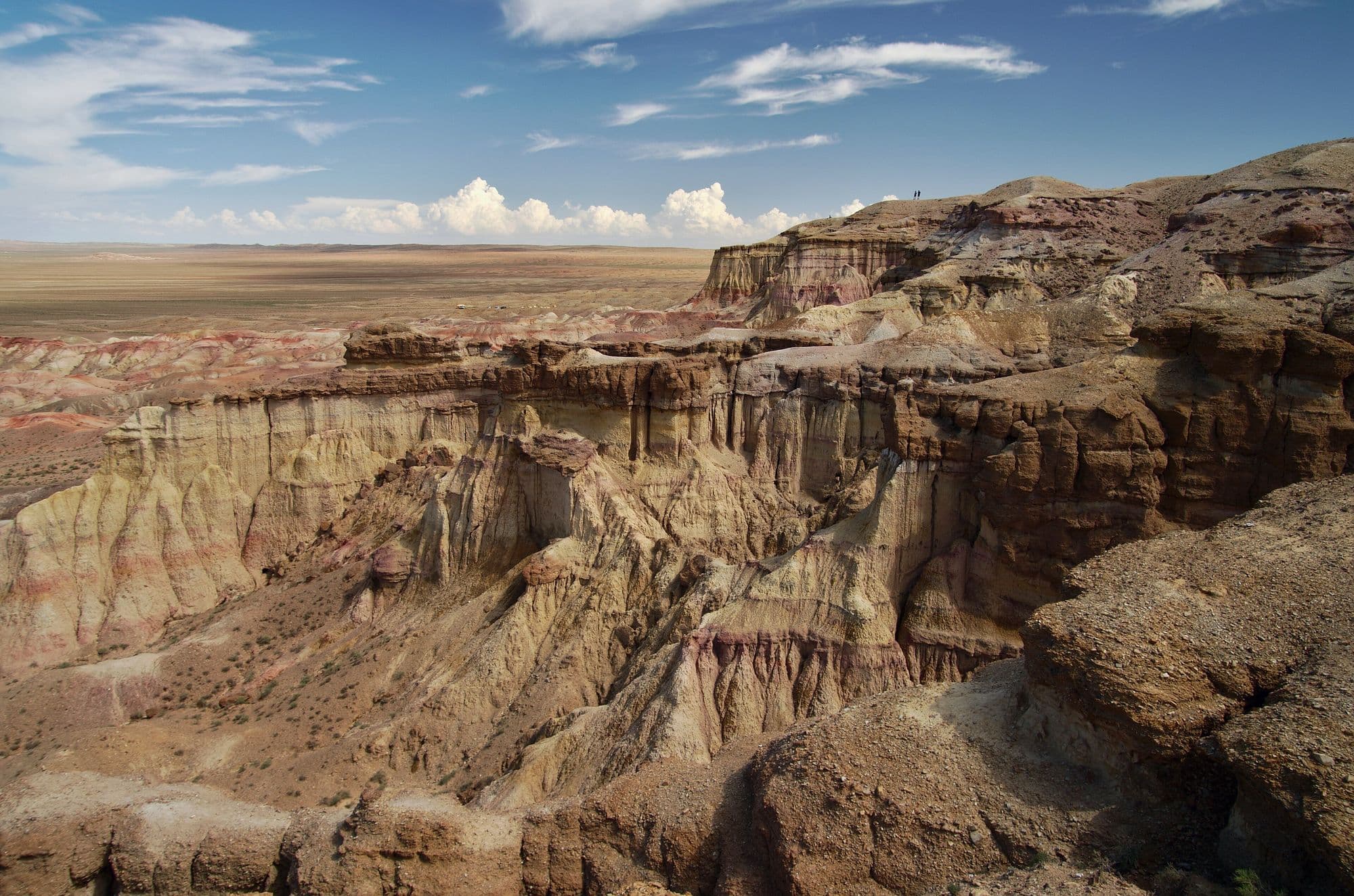
Tsagaan Suvarga is the eroded edge of an old lake-bed plateau in the south of Dundgovi, where the ground simply stops and drops away into a wall of banded sediment. Seen from the plain below, the columns and buttresses look like a row of pale stupas, which is where the Mongolian name comes from. The colours run from chalk white through pink and ochre to rust, and they shift completely between morning and late afternoon light, so most visitors time their stop for one end of the day. It is usually a half-day stop rather than a destination in itself, on the overland route between the Dundgovi sites and the deep Gobi.
- Best months
- May–Sep
Baga Gazriin Chuluu
Dundgovi · 278 km
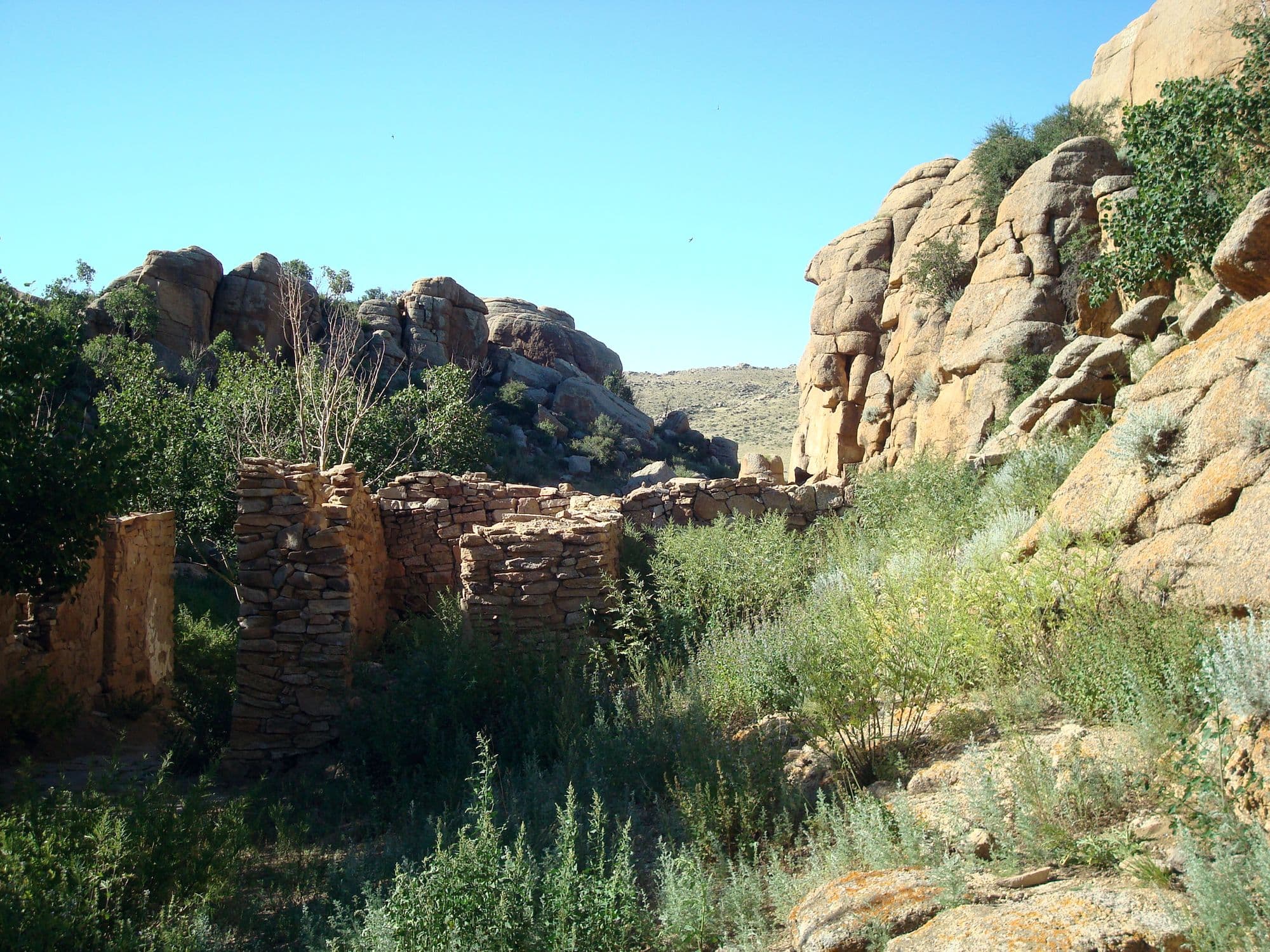
Baga Gazriin Chuluu is a granite massif standing out of the steppe in northern Dundgovi, a jumble of weathered boulders, tors and narrow rock corridors that looks nothing like the sand-and-gravel Gobi people expect. Because it is only four or five hours from Ulaanbaatar on mostly paved road, it is the usual first night on a Gobi loop and the first proper taste of the desert edge. The rocks hold the ruins of a stone temple, a cave, rock carvings and a spring that Mongolians visit for their eyes. It rewards a slow walk more than a photo stop.
- Best months
- May–Sep